Private AI, in practice
Working notes on running secure and compliant AI in corporate environments. For deeper, cited briefings, see the Knowledge Hub.
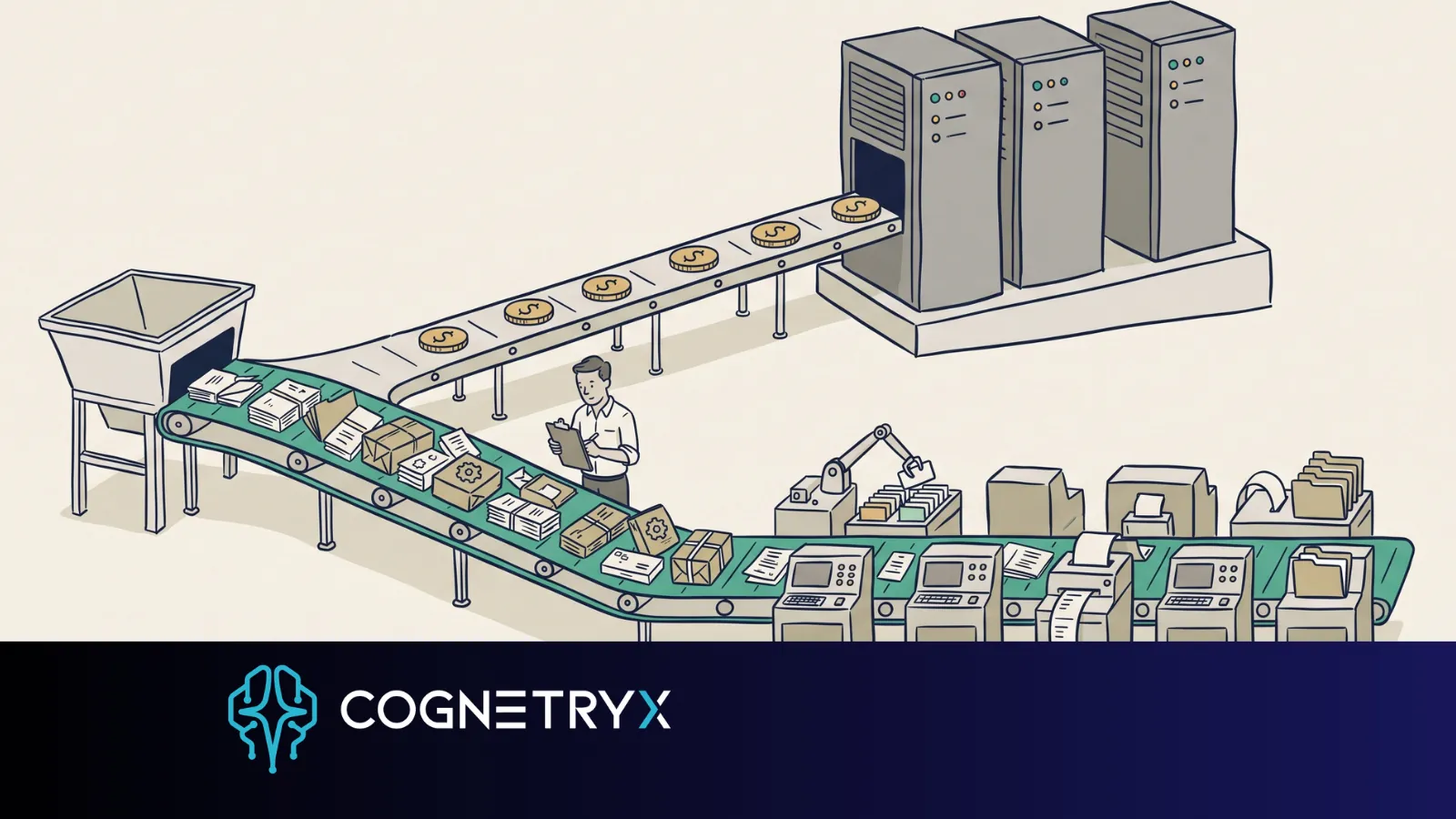
Two Thirds of AI Work Now Runs on Smaller Models
New OpenRouter data puts numbers on a shift running since January 2024. Three big labs still collect 69% of AI spending while smaller labs handle 65% of the tokens. Where the money goes, where the work goes, and what the gap means for a budget you have to defend.
Read article →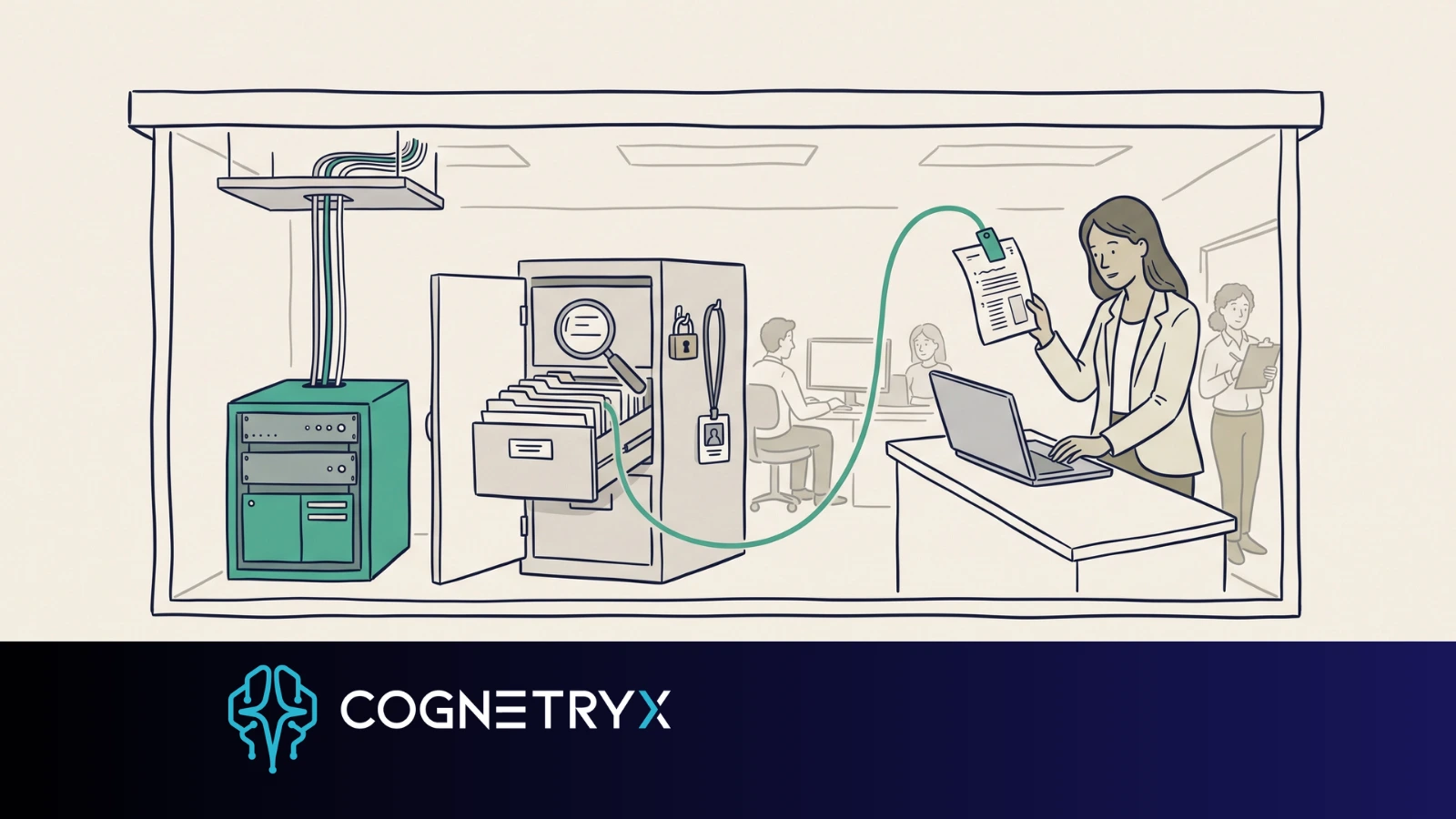
What Is On-Premises AI, and Where Does It Fit?
On-premises AI runs the model, your files, and the controls inside your own network. What the platform actually includes, what it changes about your risk, what it costs to run, and the kind of first use case that survives contact with real data.
Read article →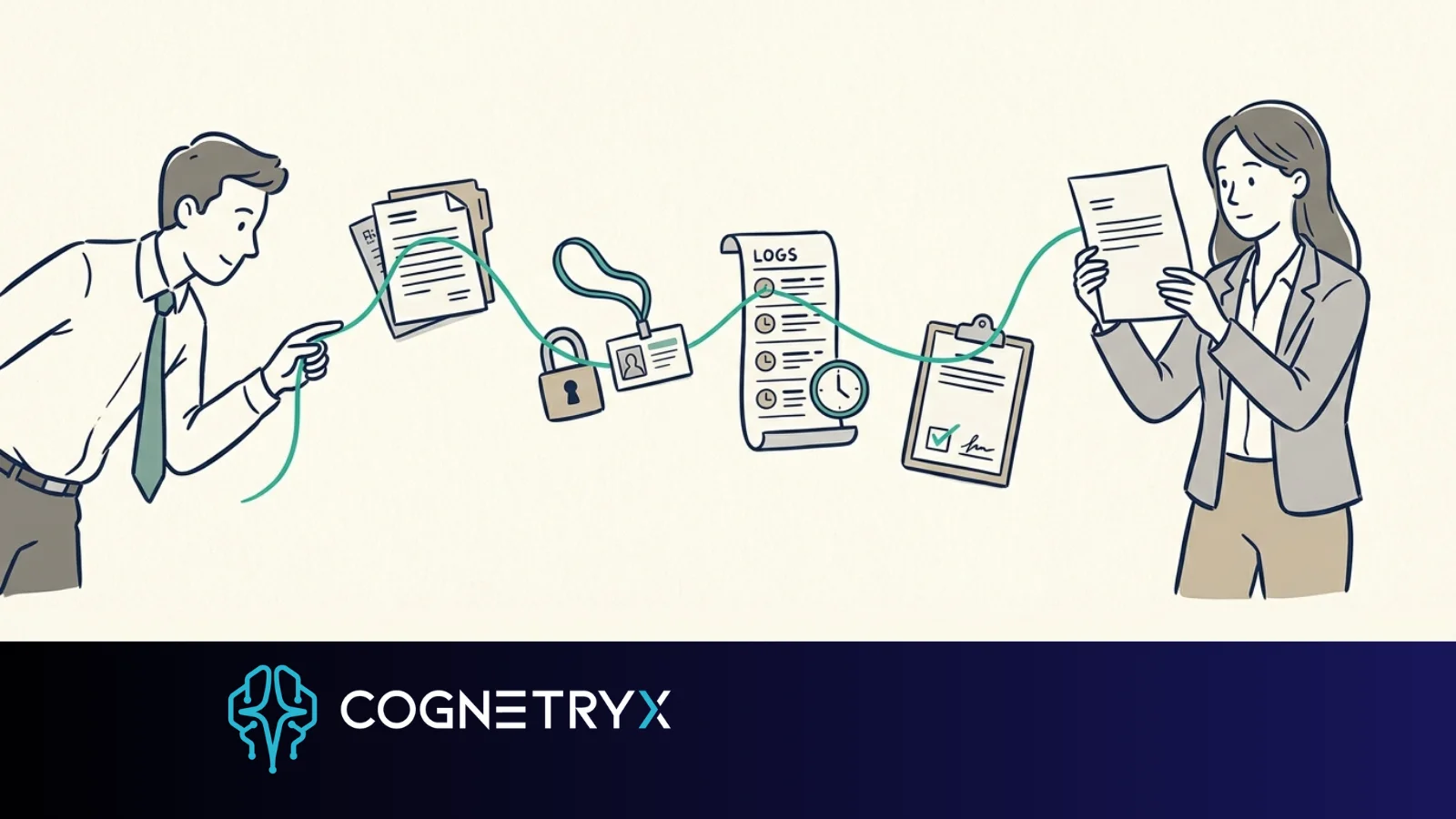
AI Model Risk Management: What Makes an Answer Usable
Model risk management for AI is the set of controls that decide whether you can use an answer, defend it, and get it again later. What to sort, what to test, what to log, and what record holds up when someone challenges the answer six months later.
Read article →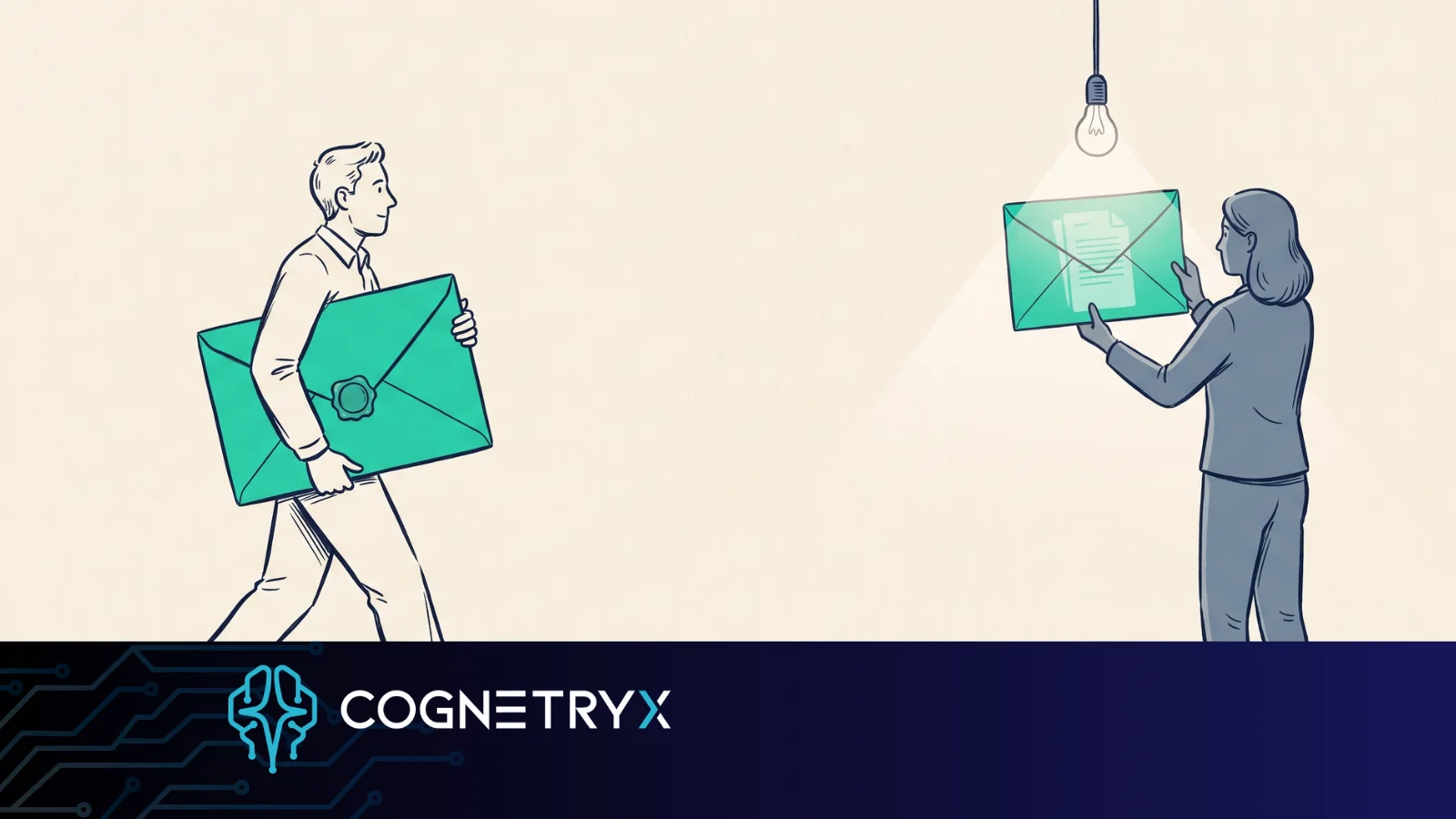
Your Cloud AI Hides Its Reasoning. Researchers Just Read It.
A new study decoded 315,320 sealed reasoning blocks that users had shared publicly without being able to read them, and recovered live API keys, passwords, and personal data. The attack is patched. The arrangement that produced it is unchanged.
Read article →
The Case for Private AI Just Got Easier to Make
Two years ago, keeping AI inside your own building was the cautious choice. Four things happened in 2026 that turned it into the obvious one: a market vote, new breach data, pricing nobody can forecast, and rules that keep coming back to control.
Read article →
92% of Breached AI Systems Had No Access Controls
IBM's 2026 Cost of a Data Breach Report counted 602 breached organizations. The $6 million AI attacks are new. The condition that let them work is a door nobody locked, and about 6 in 10 organizations still haven't locked it.
Read article →
Federal AI Deregulation Doesn't Reach Your Examiner
Executive orders and a DOJ task force went after state AI laws. None of it moved NCUA, FINRA, or model risk expectations. What changed for examined institutions this year, and what didn't.
Read article →
What Causes AI Hallucinations in Enterprise Use?
A model can invent a contract clause or a regulatory citation and state it as fact. What causes AI hallucinations, what the latest research shows, and how to stop a confident guess from being treated as true.
Read article →
Your AI Vendor Shipped a Feature Last Night
A hosted platform can change what your data does without asking you. What the 2025 ChatGPT share incident shows about surface area you never agreed to.
Read article →
The Attacker Had No Usage Policy. The Defenders Did.
An AI agent breached Hugging Face. When the responders investigated, hosted models refused the forensic work, so they finished it on open weights they ran themselves.
Read article →
Why Boards Pick AI Cost Cuts Over Growth
Boards approve AI that cuts payroll because savings are countable and growth is not. Why that is a data problem, and why the growth path carries rules the cost path never triggers.
Read article →
Your AI Showed Its Work. That Doesn't Mean It's Right.
A source next to an AI answer feels like proof. It often isn't. Why a citation isn't proof, the fast way to check one, and how Cognetryx checks every answer for you.
Read article →
Enterprise AI in 2026: Security, Privacy, and Cost
Three questions decide most regulated AI purchases. How cloud and private AI compare on security, privacy, and cost, with the 2026 numbers and a vendor checklist.
Read article →
Should You Own or Rent Your AI Model?
Alex Karp called AI token pricing a wealth tax on live TV. Under the noise was a real question for regulated work: do you own your AI model or rent it, and what does renting cost you in control, data, and price?
Read article →
Token Costs Explained
When you use an AI chatbot, you pay by the token, a small piece of a word. Here's why one question feels free, why a whole company's use gets pricey, and how owning the AI turns the meter into a flat cost.
Read article →
Best AI Tools for Internal Audit
Internal audit doesn't lack information; it lacks time and traceable evidence. A category-by-category read of the market, and what matters more than any feature list once the records are confidential.
Read article →
What Is Sovereign AI? A Plain Guide for Regulated Enterprises
Nearly everyone says sovereign AI matters; far fewer have built for it. What the term means, how it differs from private AI, and why data jurisdiction is now an architecture decision.
Read article →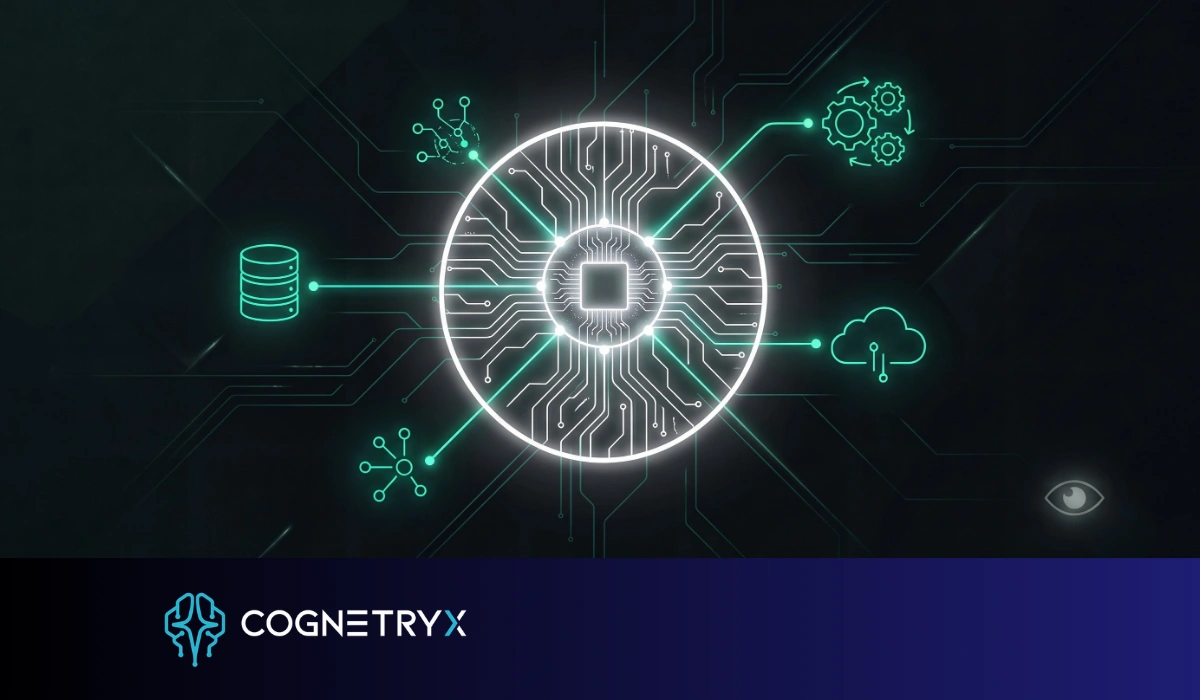
What Are Your AI Agents Allowed to Do?
AI agents are already in production, and 12% of organizations give them privileged access to internal systems. Check Point's 2026 report on why the controls lag, and what keeps an agent in bounds.
Read article →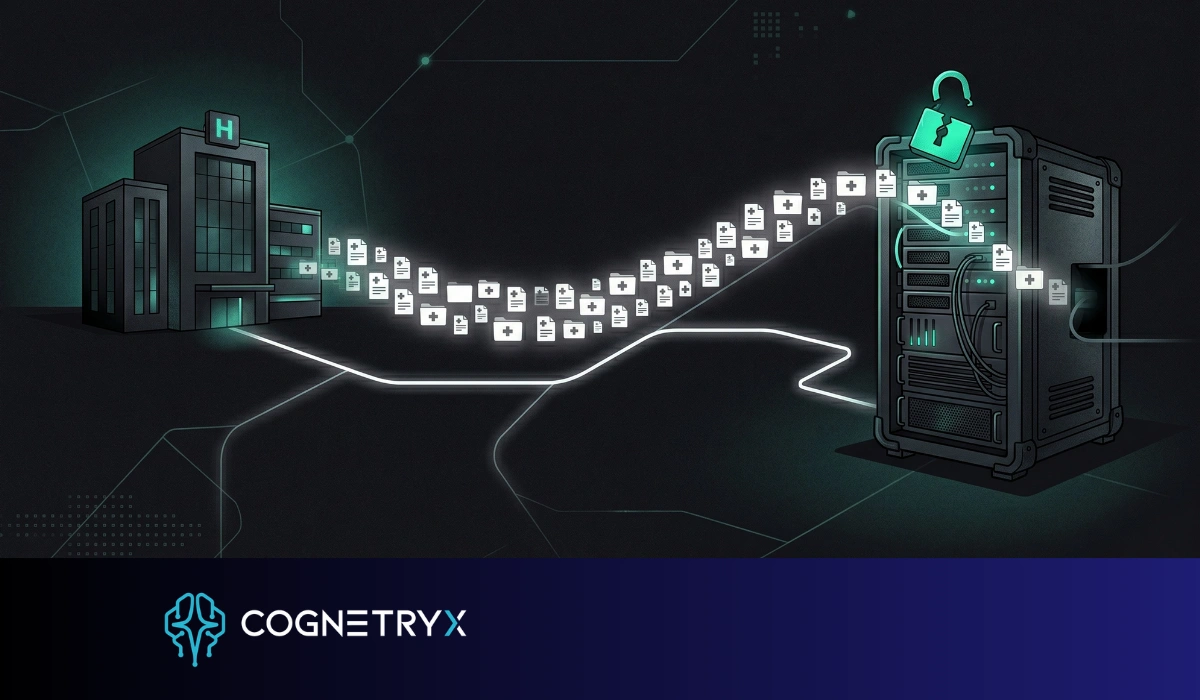
When a Healthcare AI Vendor Gets Breached, Whose Problem Is It?
A breach at an AI-powered health data vendor exposed more than 3 million people. Why handing patient data to outside AI vendors keeps ending this way, and what keeps it out of one.
Read article →
Could You Tell If Your AI Had a Security Incident?
20% of financial firms had a confirmed AI incident last year, and another 21% couldn't say. Why AI is so hard to monitor, and what a complete, local audit trail changes.
Read article →
Shadow AI Is Now an SEC Exam Finding. Here's What That Means for RIAs.
The SEC's 2026 exam priorities name AI governance across multiple categories. For investment advisers, unsanctioned AI use by staff is a supervision gap, and now an examiner is going to look for it.
Read article →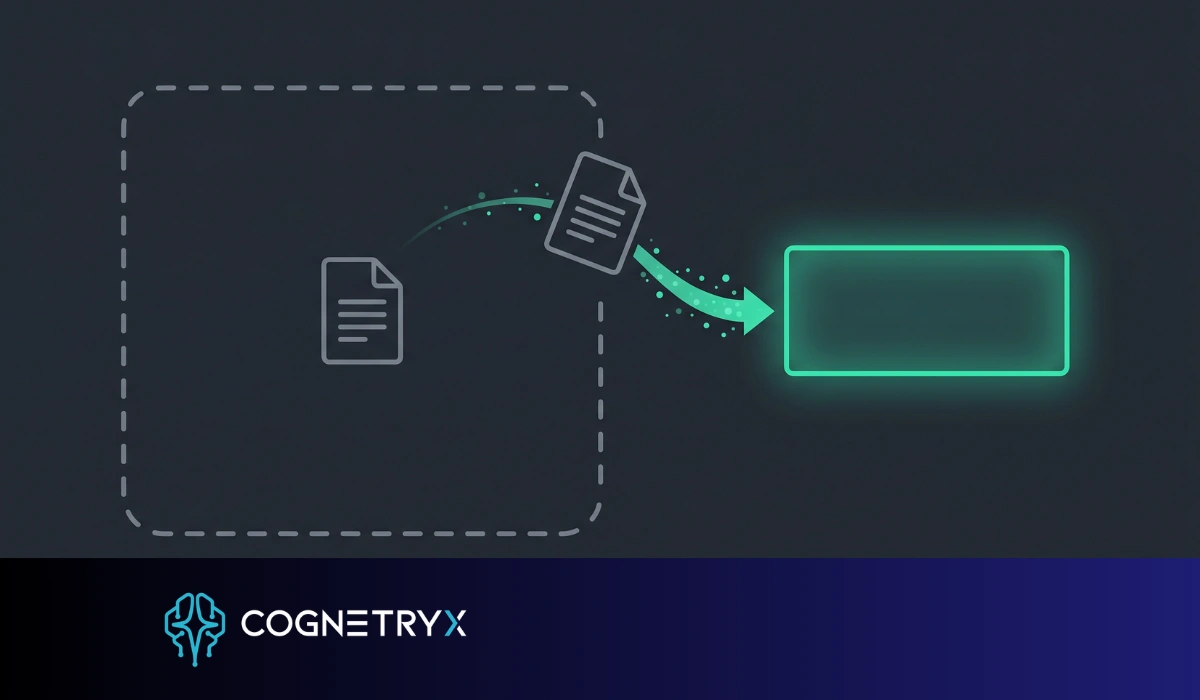
Is It Safe to Put Company Data Into Public AI Tools?
What actually happens to a contract or customer list when you paste it into a public AI chatbot, why it's worse in regulated work, and how to use AI without the risk.
Read article →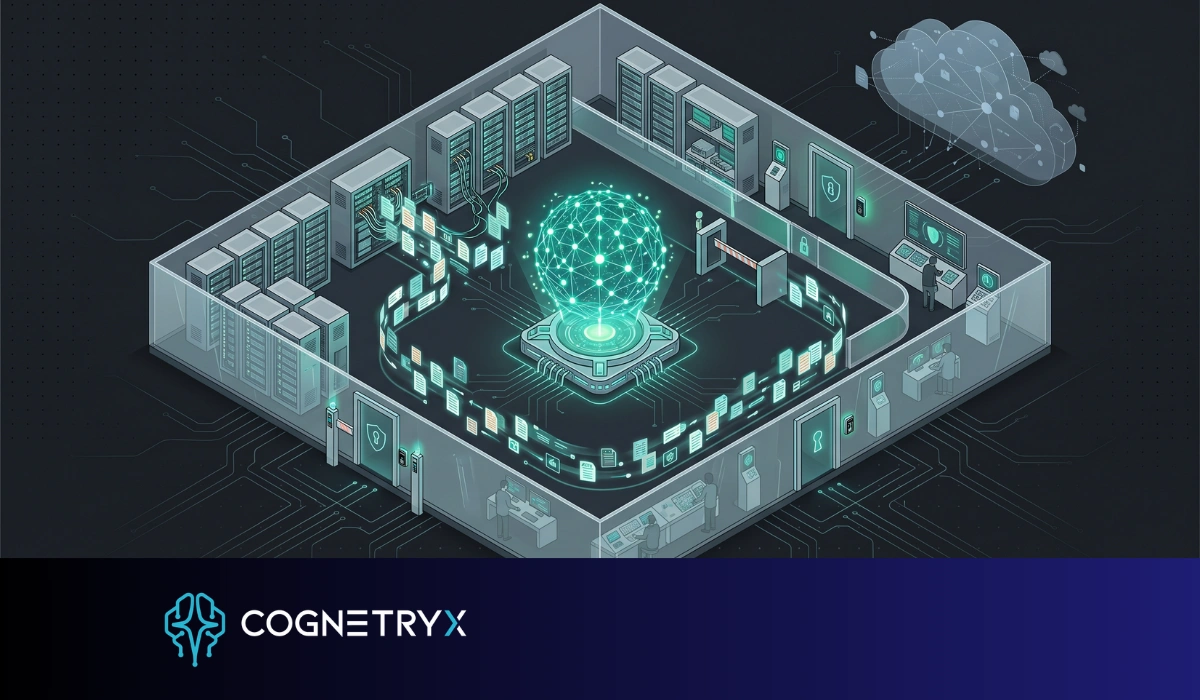
Open-Weight LLMs for Enterprises, Explained
An open-weight model runs on infrastructure you control. What that buys regulated teams, where it fits, and the questions to ask before you commit.
Read article →
What Is a Non-Human Identity? A Plain Guide for Financial Firms
Service accounts, API keys, and AI agent credentials outnumber people about 96 to 1 in finance. What they are, why they're multiplying, and how to govern them.
Read article →
What Is Cloud Concentration Risk? A Plain Guide for Financial Firms
Most banks run on a handful of cloud providers. What that concentration means, why regulators are focused on it in 2026, and the practical options for reducing it.
Read article →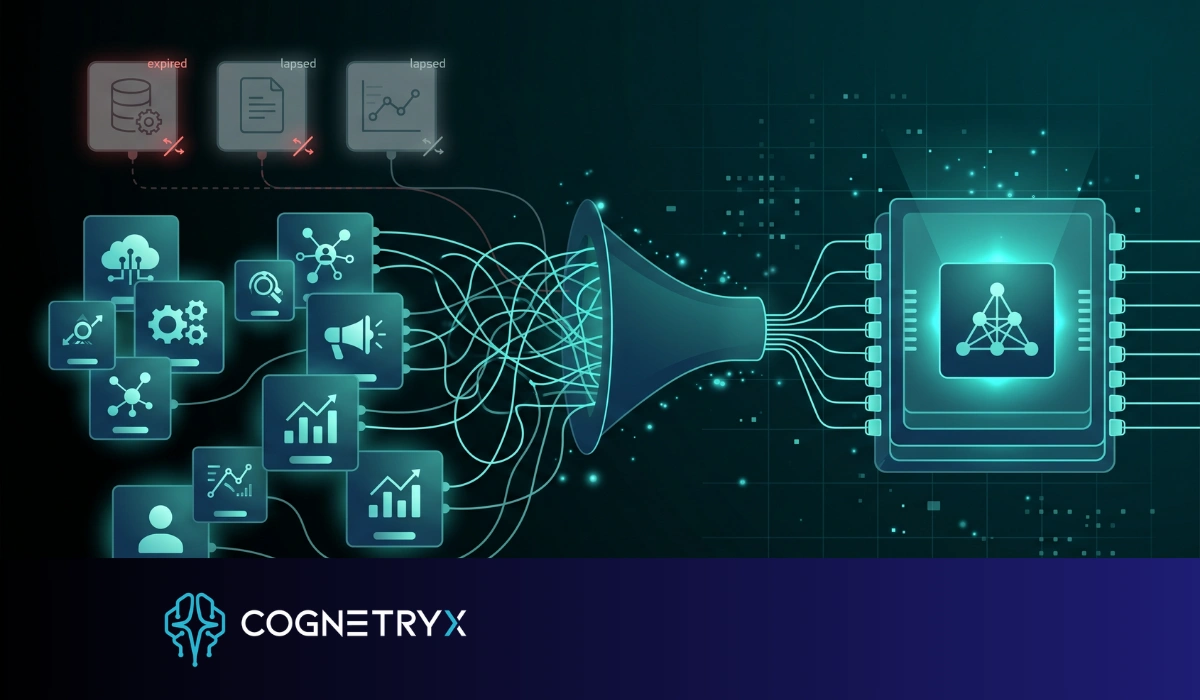
How to Consolidate AI Vendors: A Practical Playbook
30% of enterprise leaders say they're paying for redundant AI software. How to map the overlap by job, run the real math on each vendor, and sequence the cuts around renewals.
Read article →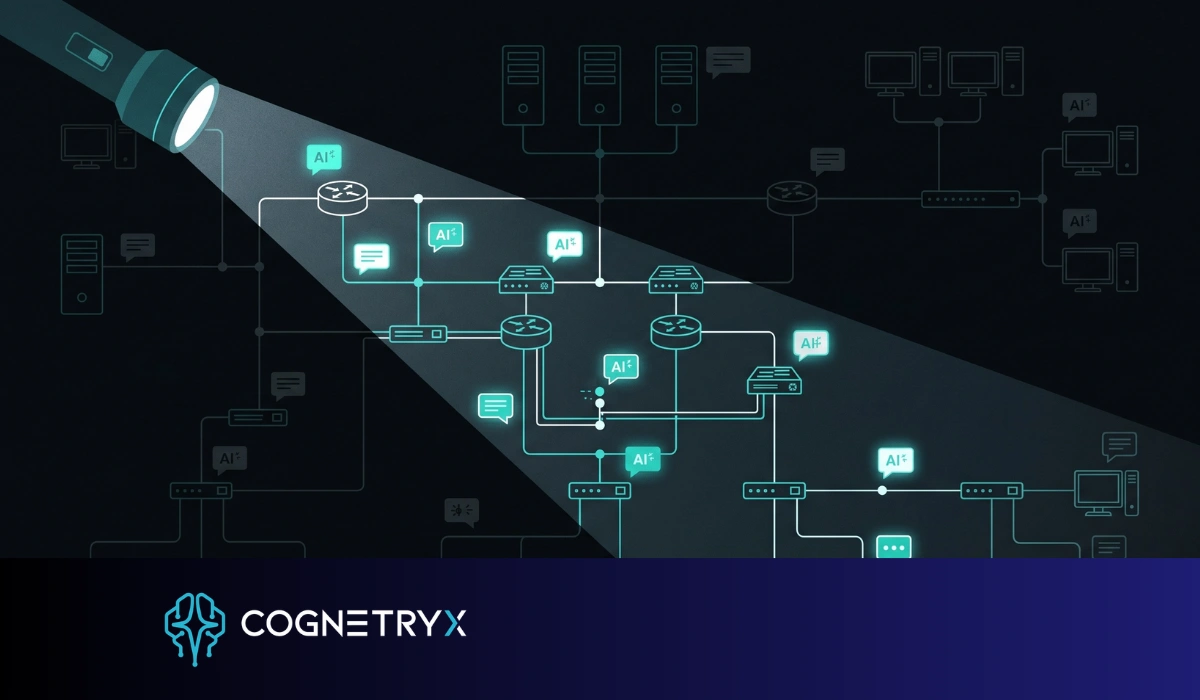
How to Detect Shadow AI Before an Auditor Does
Only 34% of organizations with an AI policy ever audit for unsanctioned AI. Where shadow AI hides, the five signals that reveal it, and a first pass you can run in 30 days.
Read article →
Metered AI Agents: Three Questions Before Your Next Renewal
Anthropic just moved agent workloads onto metered credits with 30 days' notice. Three questions to ask about every AI line item before the rest of the industry follows.
Read article →
Buying Cyber Assessment Software: A Community Bank Checklist
The FFIEC CAT is gone. Four checks decide whether assessment software helps your community bank or becomes shelfware.
Read article →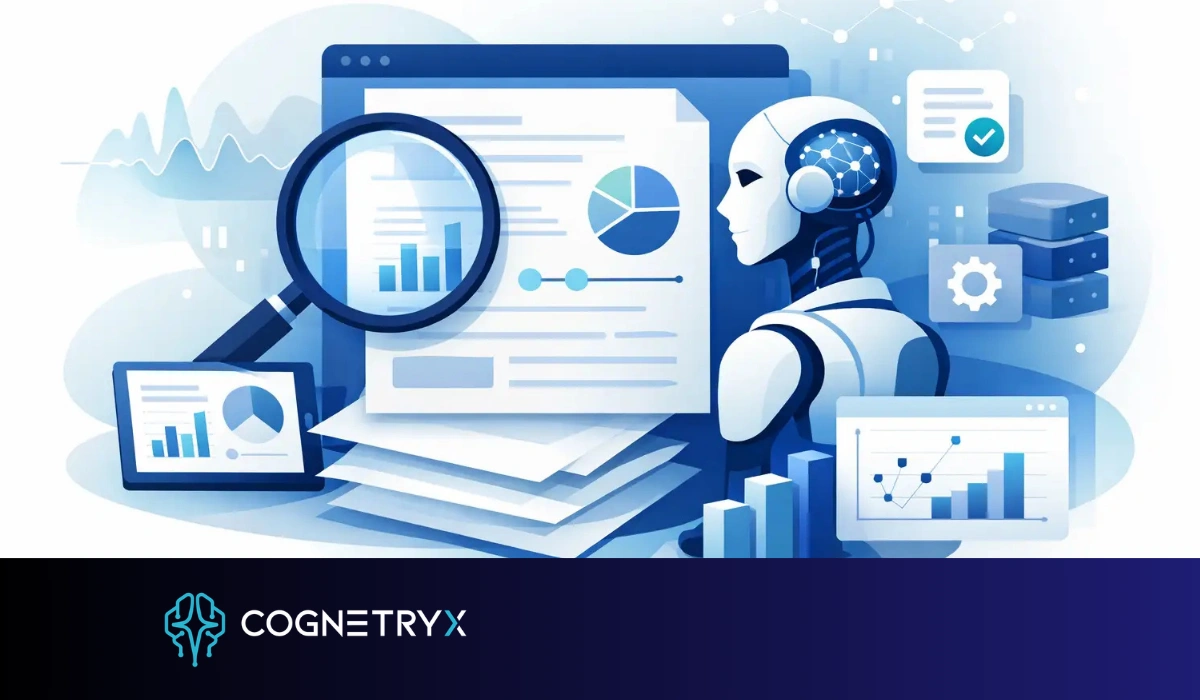
AI Document Analysis Software: What Regulated Buyers Should Check
Most of these tools can read a document. The shorter list of questions decides whether you can use the answer in a review, an audit, or a regulator's office.
Read article →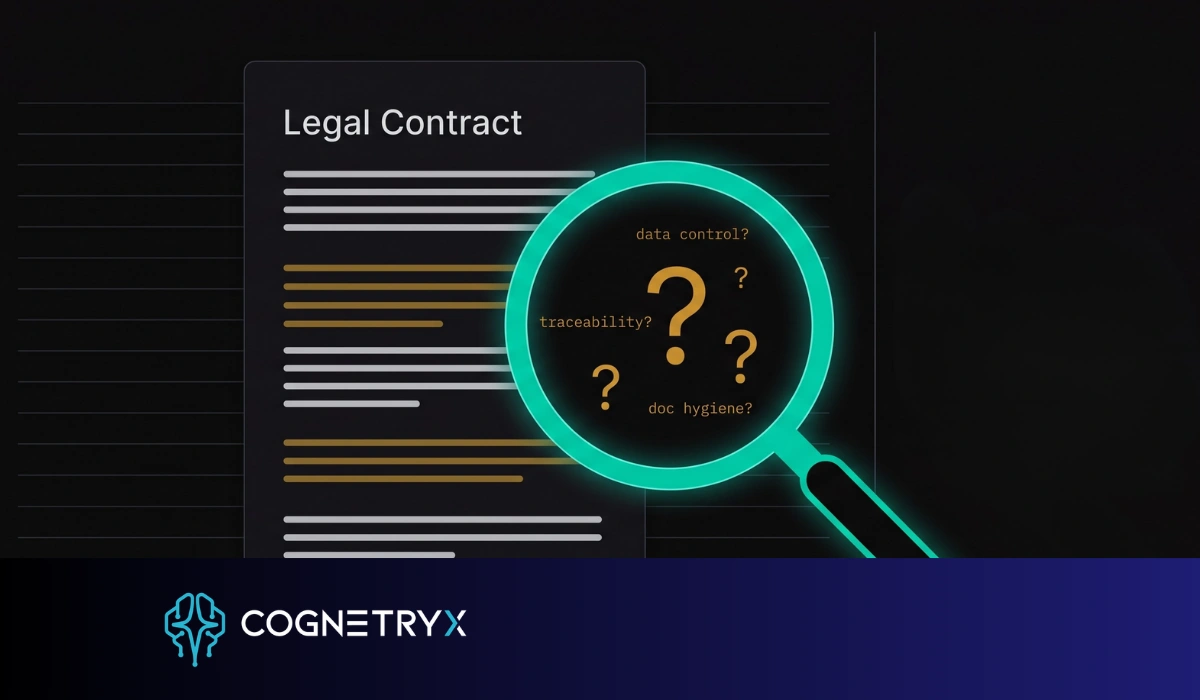
The Questions That Don’t Come Up in Legal AI Demos
Demos go well. The gaps that kill adoption over six months are the ones nobody raises in the room. Three questions decide whether a legal AI deployment actually holds up.
Read article →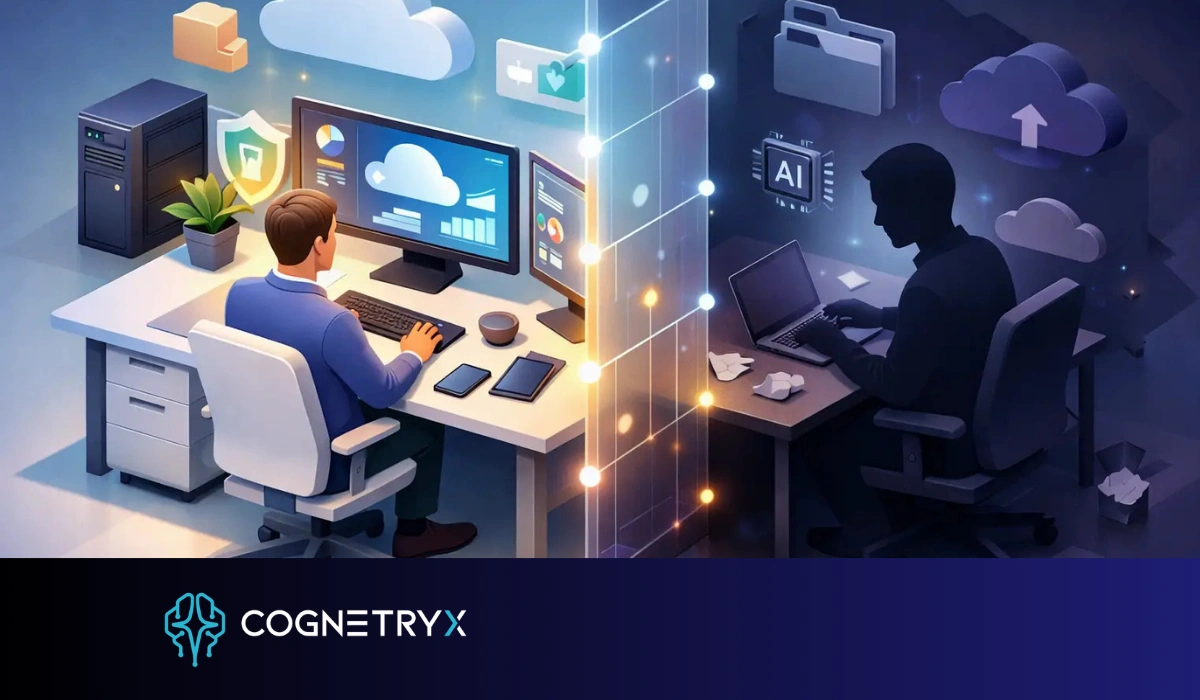
How to Prevent Shadow AI at Work
Shadow AI is rarely rebellion. It's usually demand the approved tools haven't met. How to close that gap before it becomes a data exposure or an audit problem.
Read article →
The Catch With Legal AI: You Have to Know Enough to Catch It
AI is already doing real legal work. The trouble is that catching its mistakes takes the very expertise it was supposed to save.
Read article →
AI Won't Replace Your Experts. It Will Need One to Check Its Work.
AI carries the bias of its training data and states it with full confidence. That makes the human job auditing the machine, not racing it.
Read article →
On-Premises LLM Deployment, Explained
What it means to run a model inside your own walls, why regulated teams keep choosing it, and how to tell whether it fits your situation.
Read article →
How to Evaluate a Private AI Platform
The questions that decide whether a private AI tool is safe to put into production in a regulated organization.
Read article →No posts in this topic yet.