If your bank, credit union, or insurer runs on the cloud, the odds are good that it runs on one of three providers: Amazon Web Services, Microsoft Azure, or Google Cloud. So does most of the rest of the industry. That shared dependence has a name, cloud concentration risk, and in 2026 it moved from a back-office worry to a board-level and regulatory one.
What it means
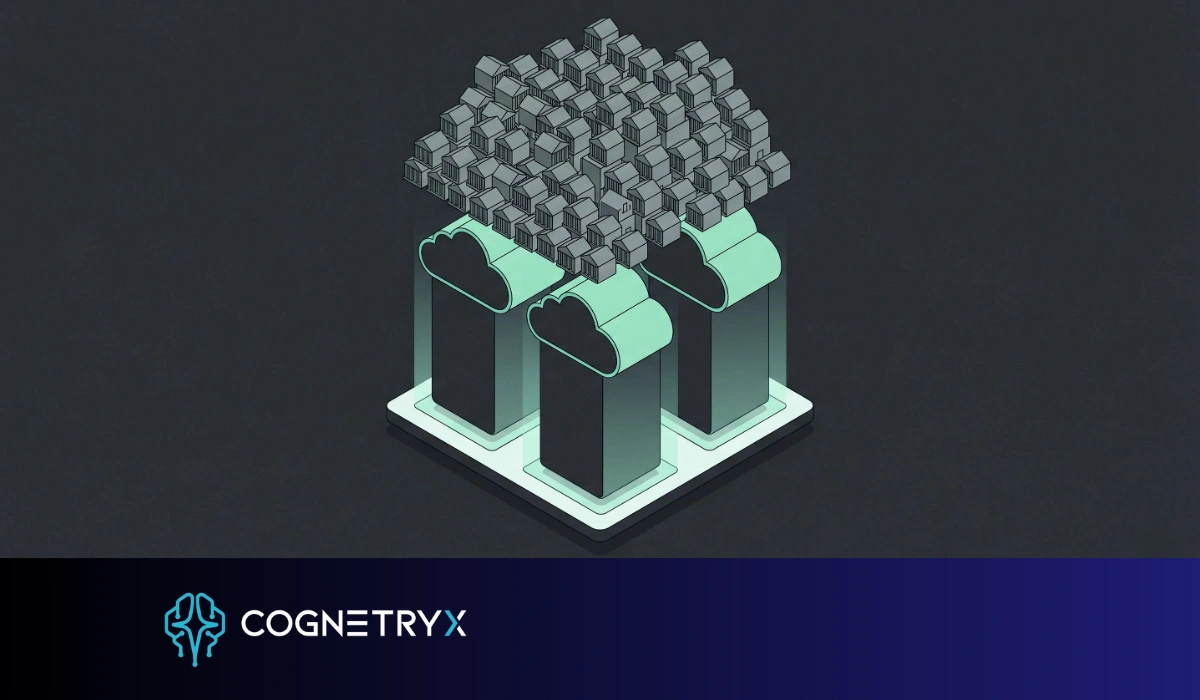
Concentration risk is simple to state. When too many firms depend on too few providers, one provider's bad day becomes everyone's bad day. A single outage, misconfiguration, or faulty update can ripple across banks, payment apps, and trading platforms at the same moment, because they all sit on the same ground.
Why it got everyone's attention
A run of incidents made the risk concrete. In July 2024, a faulty CrowdStrike update crashed millions of Windows machines and disrupted banks worldwide. On October 20, 2025, an AWS failure in a single region took Coinbase, Robinhood, and parts of Lloyds and Bank of Scotland offline for hours. In the 2026 Cloud Security Alliance survey of financial firms, third-party and supply-chain risk came in as the single biggest cloud concern, named by 55 percent of respondents.
Why regulators care
Supervisors reached the same conclusion. The EU's Digital Operational Resilience Act (DORA) became enforceable in January 2025, and it holds financial firms responsible for the resilience of their critical technology vendors. In November 2025, European authorities named 19 critical ICT providers, the big three clouds among them, for direct oversight. In the UK, the FCA and the Bank of England have pushed firms to assess and plan for concentration in their critical third parties. The common thread is the same everywhere: you can outsource the infrastructure, but you can't outsource the accountability.
How firms reduce it
There's no single fix, and most firms use a mix of three approaches:
- Multi-cloud or multi-region. Spread workloads across providers or regions so one failure doesn't take everything down. It helps with availability, but it adds cost and complexity.
- Exit and contingency plans. Work out, in advance and on paper, how you would move a critical workload off a provider. DORA effectively requires this for critical services.
- Keep the most sensitive workloads in your own environment. For data and systems where an outage or a leak would hurt most, some firms keep them on infrastructure they control instead of a shared public cloud.
Where AI raises the stakes
AI sharpens the question. The same 2026 survey found that data leakage is the top AI risk, named by 61 percent, and most of that leakage happens through everyday use of cloud AI tools: prompts, chat history, and the connectors that feed them. So firms aren't only asking what happens if the cloud goes down. They're asking what happens to the sensitive data they pour into AI running on that same cloud. For those workloads, keeping the model and the data inside your own boundary answers both questions at once.
This is the short version. For the full read on what the 2026 CSA survey found, and how cloud concentration and AI data leakage are turning into the same problem, see Cloud Concentration Is the Top Risk in Financial Services in our Knowledge hub. For how this plays out in practice, see Private AI for Banking & Finance.
See it on your own documents
Book a short demo and watch a private model answer real questions, with no data leaving your network.
Request a Demo